Introduction to Minimalist Bedroom Design
Minimalist bedroom design has emerged as a popular trend in modern interior decoration, particularly suited to small and medium-sized rooms. At its core, this design philosophy emphasizes simplicity, functionality, and a clutter-free environment. By adhering to minimalist principles, individuals can create spaces that evoke a sense of calm and spaciousness, vital for relaxation and restful sleep. The minimalist approach allows for a serene atmosphere, fostering mental clarity and reducing stress levels.
In the contemporary world, where our lives are often filled with distractions and the overwhelming presence of material possessions, the concept of minimalist room ideas becomes increasingly significant. It encourages individuals to focus on what truly matters, stripping away the excess to reveal essential elements that contribute to comfort and style. In a minimalist bedroom, each item is thoughtfully chosen, serving both practical and aesthetic purposes without overwhelming the senses.
Moreover, a well-executed minimalist bedroom design can enhance the perception of space, making a small room feel larger than it is. The use of light colors, strategic placement of furniture, and the inclusion of functional yet stylish decor items are essential aspects of creating an aesthetically pleasing environment. By adopting a minimalist philosophy, homeowners can transform their bedrooms into tranquil sanctuaries, where simplicity reigns and the mind can unwind.
Choosing the Right Color Palette
In minimalist bedroom design, the choice of color palette plays a crucial role in creating a tranquil and spacious environment. Colors are known to have psychological effects; for instance, cool tones such as blues and greens can evoke feelings of calmness and serenity, while warmer colors like reds and yellows, although vibrant, can be overstimulating in a space intended for relaxation.
For a minimalist room, the advantages of opting for neutral and muted palettes cannot be overstated. Shades of white, beige, gray, and soft browns not only help to create an airy feel but also allow for a versatile backdrop that enhances other elements within the room. These understated tones provide a sense of cohesion and do not compete for attention, which is essential for achieving a minimalist aesthetic.
Moreover, incorporating subtle accent colors can enhance the overall aesthetic of the room without overwhelming it. This could include pastel tones or earthier hues that harmonize with the neutral base. For example, adding a soft blush or gentle sage through textiles such as cushions, throws, or wall art can introduce variety and depth, making the space feel lively yet still grounded. By carefully selecting these accent colors, one can achieve a balance in the room, presenting a curated look that stays true to minimalist room ideas.
Thus, the right color palette not only enriches the visual appeal of a minimalist bedroom but also promotes a sense of calm and spaciousness, making it an integral component of any aesthetic room decor ideas you may explore.
Furniture Selection: Prioritizing Functionality and Aesthetics
When designing a minimalist bedroom, the choice of furniture is paramount, as it can significantly influence the overall atmosphere and functionality of the space. The cornerstone of minimalist bedroom design is the principle of functionality over excess. Each item you select should serve a clear purpose and contribute to the room’s utility without contributing to clutter.
Sleek, streamlined furniture in a minimalist room should embody simplicity and elegance. This means opting for pieces that feature clean lines, neutral colors, and understated forms. The aesthetic of minimalist room ideas often leans towards items that don’t overwhelm the space, allowing for an open and airy feel. For instance, a low-profile bed frame can create a seamless transition between the floor and the rest of the room, giving the illusion of more space.
One effective strategy within minimalist bedroom design is the incorporation of multi-functional furniture. This can include beds with built-in storage to keep belongings organized or a bedside table that doubles as a desk. These types of furniture not only reduce the amount of items in the room but also ensure that every piece serves multiple roles, which aligns perfectly with the minimalist ethos. Additionally, consider the use of wall-mounted shelves to display a few carefully chosen decorative items, as these can supplement your aesthetic room decor ideas without compromising floor space.
Ultimately, selecting furniture for a minimalist bedroom requires a balance between functionality and aesthetics. By choosing pieces that are both practical and visually appealing, you cultivate an environment that promotes tranquility and spaciousness, allowing for a serene retreat at the end of each day.
Maximizing Storage Solutions
Creating a minimalist bedroom design requires careful consideration of how to store personal belongings while avoiding clutter. The key to achieving a serene atmosphere lies in innovative storage solutions that not only conceal items but also align with the minimalist aesthetic. One of the central techniques is utilizing multifunctional furniture, which offers both storage options and serves a decorative purpose. Beds with built-in drawers or lofted beds that provide space beneath for storage can significantly reduce the amount of visible clutter in the room.
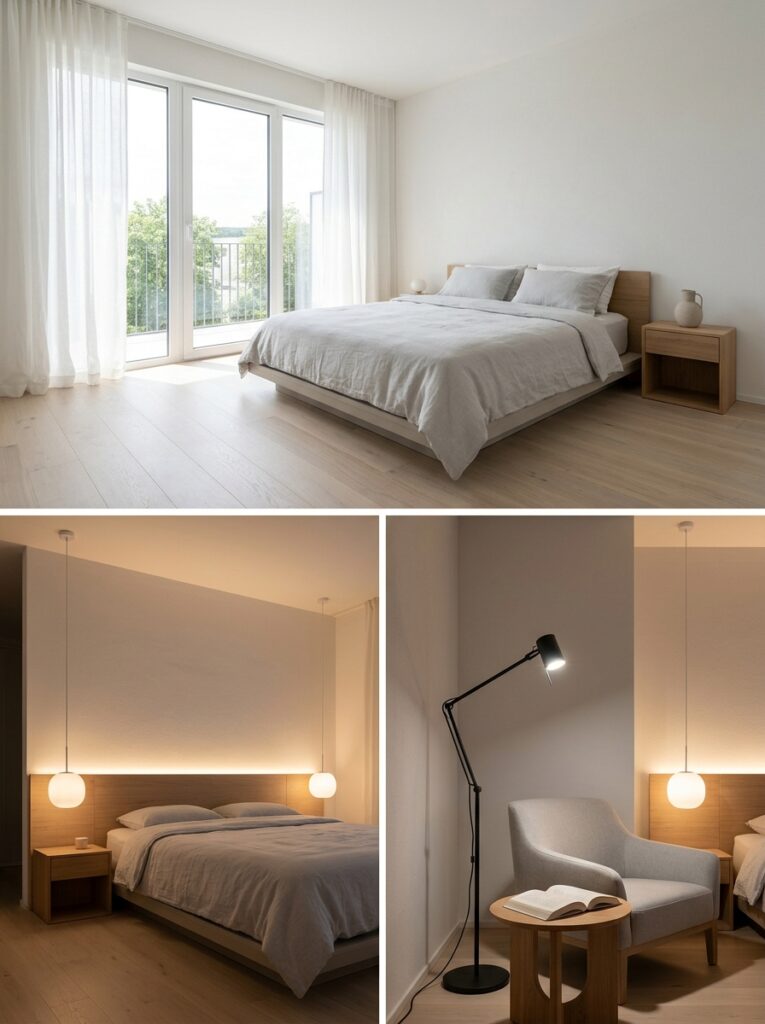
Additionally, wall-mounted shelves can be an excellent way to incorporate aesthetic room decor ideas while providing a place for books, plants, or decorative items. By keeping items off the floor, these solutions contribute to an open, airy feel, reinforcing the principles of minimalist room ideas. Ensure that these shelves are not overloaded; rather, they should complement the overall decor without becoming visually overwhelming.
For those with limited space, consider built-in cabinetry that can be seamlessly integrated into the room’s design. Custom cabinetry allows for creative storage solutions tailored to individual needs, providing ample space while maintaining a clean and uncluttered appearance. This approach not only enhances the storage capabilities but also contributes to the overall style and elegance of the space.
In conclusion, maximizing storage solutions in a minimalist bedroom design combines practicality with style. By thoughtfully selecting furniture that offers both function and elegance, one can maintain a peaceful, organized space that reflects the values of minimalism. This careful balance is essential in creating a room that feels calm and spacious, allowing you to fully unwind in your aesthetic sanctuary.
Lighting: Creating Ambiance and Space Illusions
In minimalist bedroom design, lighting plays a pivotal role in cultivating a serene and spacious ambiance. The strategic use of light not only enhances the overall aesthetic of a room but also affects how we experience space. To achieve an inviting and spacious atmosphere, it is essential to focus on three key aspects of lighting: natural light optimization, soft ambient lighting, and functional task lighting.
Natural light is perhaps the most effective tool for creating a tranquil and expansive feel. Maximizing daylight is crucial in a minimalist room, and this can be achieved by selecting sheer window treatments that allow sunlight to filter through while maintaining privacy. Positioning mirrors to reflect sunlight can further amplify the presence of natural light, creating the illusion of a larger space. When strategizing your layout, consider furniture placement that does not obstruct windows and encourages light flow.
Soft ambient lighting complements the natural illumination by providing a warm glow that promotes relaxation. Incorporating dimmable LED lights, floor lamps, or wall sconces can help create this atmosphere. Warm white bulbs often work best, as they enhance the warm tones associated with minimalist décor without overwhelming the senses. In minimalist bedroom ideas, lighting can help set the mood and ensure comfort during nighttime activities.
A functional task lighting is imperative in a minimalist room. Whether it’s reading in bed or getting dressed, adequate lighting is crucial for these activities. Desk lamps, bedside lamps, or adjustable wall fixtures can serve this purpose without cluttering the space. By ensuring each area is well-lit, the room retains its minimalist integrity while providing practicality.
Ultimately, a well-thought-out lighting design is integral to achieving a minimalist bedroom that embodies both calmness and spaciousness. By layering natural light with ambient and task lighting, the room can achieve balance and functionality, reinforcing the core principles of minimalist design.
Incorporating Textures and Materials
When designing a minimalist bedroom, the choice of textures and materials plays a crucial role in creating a space that feels both comfortable and aesthetically pleasing. Minimalism often emphasizes simplicity, yet this does not mean that a room needs to lack depth or visual interest. Instead, the careful selection and combination of various materials can enhance the overall atmosphere while adhering to minimalist principles.
To achieve a calming aesthetic, consider incorporating natural materials such as wood, linen, and cotton. Wood elements, whether in the form of furniture or flooring, bring warmth and a sense of connection to nature. Soft linen curtains or duvet covers can soften the look of a minimalist room, providing tactile qualities that invite touch. These materials not only add comfort but also contribute to a serene environment, making your minimalist bedroom feel more inviting.
Furthermore, the integration of textures can be accomplished through layering. For instance, a woven textile can be paired with smooth surfaces to create visual contrast. A plush area rug placed over a wood floor introduces a layer of comfort, while geometric shapes in decor or furniture can enhance the minimalist theme by keeping the space uncluttered. Think about utilizing varied fabrics that possess different tactile qualities, like matte versus glossy, to invoke curiosity without overcrowding the room.
Another aspect to consider is the use of color in combination with materials. A neutral palette is often favored in minimalist room ideas, as it promotes a tranquil ambiance. However, introducing subtle hues through textiles or decorative items can add charm without overwhelming the senses, maintaining the balance that is essential to minimalist bedroom design.
Incorporating thoughtful textures and materials in your bedroom not only enhances aesthetic appeal but also promotes a calming atmosphere aimed at restful experiences. Following these principles can lead to an attractive and functional minimalist space that respects both form and function.
Personalizing Your Minimalist Space
Creating a minimalist bedroom design involves the intentional selection of elements that promote tranquility and spaciousness. However, a minimalist approach does not necessitate forgoing personal touches. To personalize your space effectively, it’s essential to choose decor and items that resonate with your identity, while still honoring the principles of simplicity and functionality.
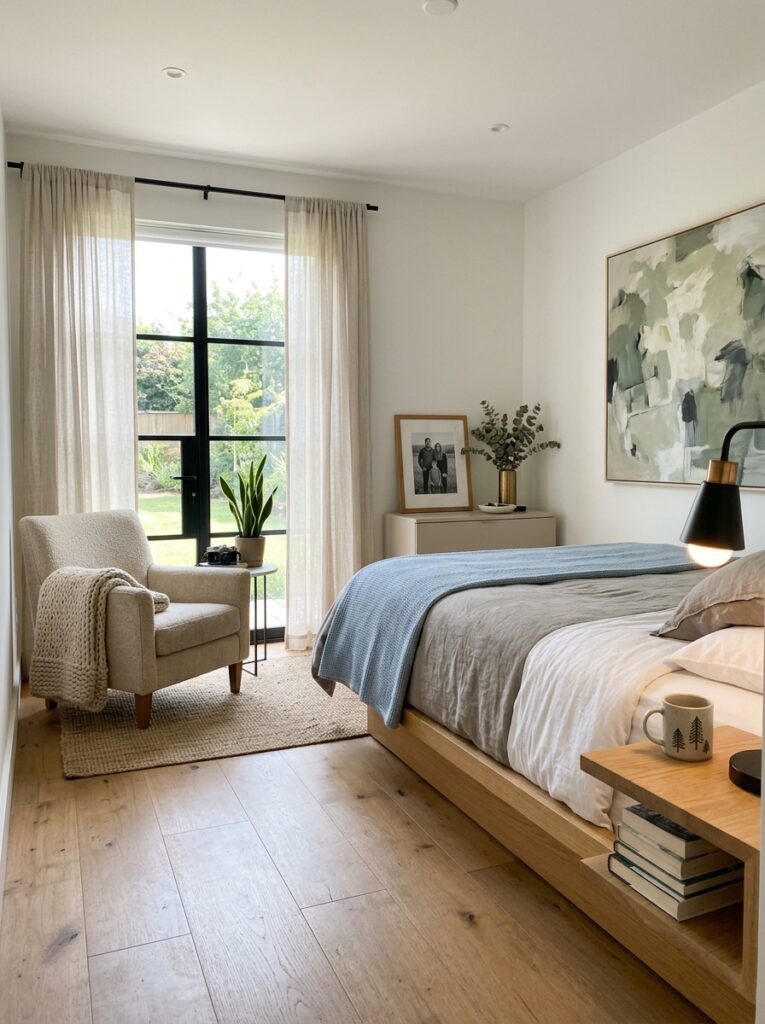
When incorporating personal items, consider selecting a few meaningful decor pieces that symbolize your interests or experiences. For instance, a single, well-framed piece of art can serve as a focal point in an otherwise bare room. Aesthetic room decor ideas can extend beyond traditional wall art to include handmade crafts, photographs, or items collected during travels that encapsulate your personal story.
Another approach is to utilize color strategically in your minimalist room ideas. Soft, muted tones can evoke calmness, while a carefully chosen accent color can bring your bedroom to life without overwhelming the senses. Throw pillows or a cozy blanket in a complementary hue can enhance comfort while remaining consistent with the minimalist ethos.
Lighting is another critical aspect of personalizing your space. Select fixtures that not only provide ample lighting but also reflect your style. A unique bedside lamp or pendant light can infuse personality into the room while maintaining the minimalistic feel. Incorporating natural elements, such as plants, can also add vitality and a personal touch to your minimalist design without compromising its serenity.
Ultimately, the goal of personalizing your minimalist bedroom is to create a space that feels uniquely yours while upholding a clean and open atmosphere. By thoughtfully curating your decor choices—whether through art, textiles, color, or light—you can develop a bedroom sanctuary that harmonizes aesthetic appeal with personal significance.
Maintenance Tips for a Minimalist Bedroom
Maintaining a minimalist bedroom design is essential to ensure the space remains tranquil and spacious. The foundation of a serene environment lies in consistent decluttering. Incorporating regular decluttering sessions into your routine will help keep the room organized and prevent accumulation of unnecessary items. Aim to review your belongings at least once a month, assessing what you truly need and use regularly. This practice not only simplifies your space but also promotes a more mindful lifestyle.
Effective cleaning routines are also crucial in retaining the allure of a minimalist room. Opt for a simple cleaning schedule that allows you to regularly wipe down surfaces, vacuum, and dust without feeling overwhelmed. Using multifunctional furniture can help reduce cleaning time while ensuring that everything has its place. Prioritize surfaces that tend to attract dust, such as nightstands and shelves, to maintain a fresh and inviting atmosphere.
Another key aspect of preserving minimalist room ideas is organization. Utilize organizational tools, such as baskets or drawers, to keep everyday items neatly stored away while ensuring they are easily accessible. This helps preserve the aesthetic room decor ideas that minimalist design entails. Consider color-coordinating storage options to maintain a cohesive and serene appearance. Furthermore, be intentional with decorative choices; select a few meaningful pieces to display, thus avoiding clutter that disrupts the intended calmness of the space.
Lastly, evaluate your wardrobe space. Minimize clothing to essential pieces that align with your lifestyle and aesthetics. A streamlined wardrobe can reinforce a minimalist bedroom’s cohesive theme while simplifying daily choices. By adhering to these maintenance tips, you can enjoy a well-kept and harmonious minimalist bedroom for years to come.
Conclusion: Embracing Minimalism for Well-being
As we have explored throughout this blog post, a minimalist bedroom design offers numerous benefits that extend beyond mere aesthetic appeal. Creating a calm and spacious environment is not only visually pleasing but also fosters mental clarity and promotes overall well-being. By adopting minimalist room ideas, individuals can significantly reduce clutter, making way for a serene retreat that invites relaxation and rejuvenation.
The essence of minimalist bedroom design lies in its simplicity. It encourages an intentional selection of decor and furnishings that serve a purpose while eliminating distractions. Adopting aesthetic room decor ideas that embrace clean lines and neutral color palettes can transform a space into a sanctuary that enhances your daily life. Each piece in your room should contribute positively to the atmosphere, creating a tranquil space conducive to restful sleep and mindfulness practices.
Moreover, the minimalist lifestyle extends beyond personal spaces. It reflects a broader philosophy of prioritizing quality over quantity, which can result in more meaningful and fulfilling experiences. As you consider your own environment, think about the impact of a decluttered space on your mental health. A minimalist approach encourages mindfulness, inviting individuals to become more aware of their surroundings and their emotional responses to them.
In conclusion, embracing a minimalist bedroom design is a powerful step toward enhancing your well-being. A calm, spacious environment nurtures peace of mind and provides a clear pathway to a more intentional life. Begin by simplifying your space, selecting thoughtfully curated pieces that inspire tranquility, and witness the transformative impact of minimalist living. By taking these actionable steps, you can curate a serene sanctuary that reflects your values and promotes holistic well-being.